Digging trenches is a crucial part of several constructions. They are employed to lay telephone lines, pipes, or any other type of tubular structure that needs to be placed deep beneath the ground, such as oil rigs, oil pipelines, etc. Due to the high moisture content of these soils, trench can be a laborious task. This is due to the fact that it is difficult to not only remove dirt and other debris from nearby objects but also ensure that you are safe from serious injuries if you accidently expose your skin.
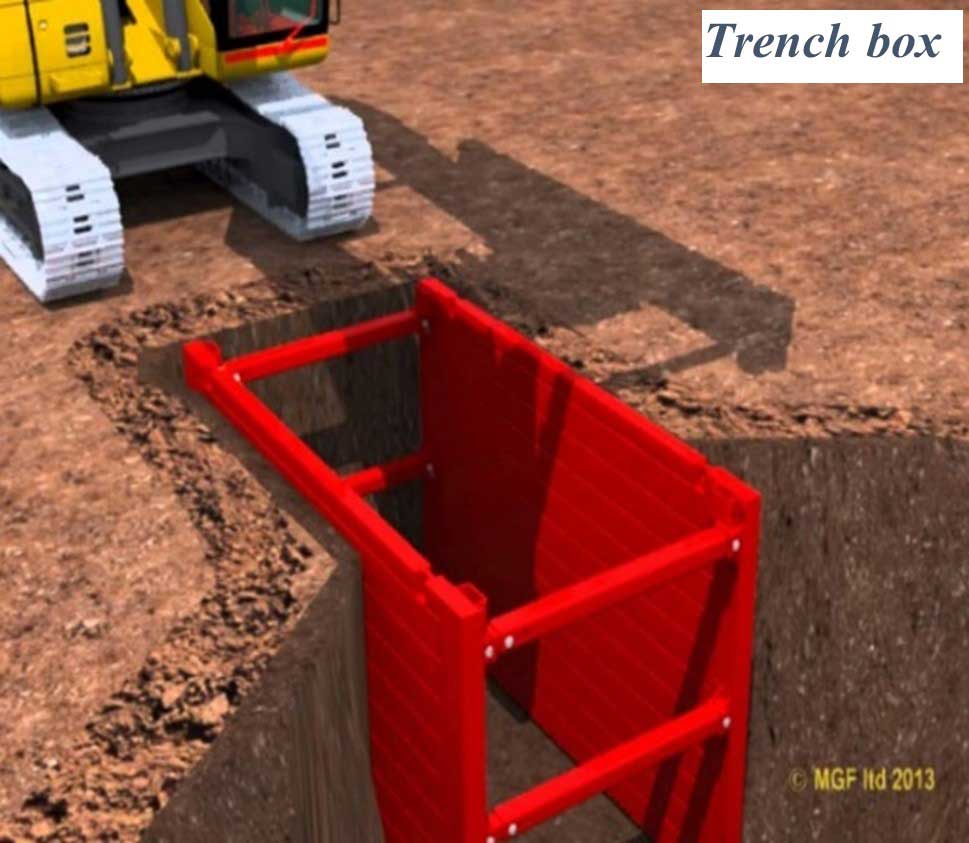
Trench boxes are vital for any kind of construction, or repair that needs to be carried out in the ground. Trench boxes are also used to protect against collapse depending on the soil’s quality and the thickness of the material. They are constructed of steel and aluminum framing that is employed to temporarily hold it in place while excavations take place within them. Finally, grout is placed between two layers if necessary so that no cracks develop at site level.
Pre Installation
Before digging gets underway, it is essential to assess the risks that are involved. This includes knowing the type of equipment needed and the number of people who will require access, in addition to thinking about whether there are other ways in which the task could be completed without risking life or the limb (such minimally invasive techniques). Additionally, a thorough risk assessment should be done during pre-excavation survey to make sure that all dangers can be easily identified prior the excavation. This helps avoid potential problems in the future.
The depth of the trench is a factor to think about as well. A 5-foot slab of concrete will be able to hold you. If the trench is more than the stated size, then shoring or sloping may be needed. However, if the 20-foot deep hole does not have straight sides, any building above ground must consider the greater danger of foundation movement.
A step ladder, a ladder or ramps should be used for accessing the trench. In the event in an emergency it is essential to have the trench accessible within 25 feet. There may be a need to test low oxygen levels as well as toxic gases in specially designed boxes known as “trench box”. These articulated devices make the installation easy; however they increase the risk of stacking them over one another since you don’t know how high up your piling will be able to penetrate into their vulnerable bottom.
Care: Caring to the trench
1. In the event of any damage or movement, make sure you check the trench box on a regular basis.
2. Everyone working on site must wear protective equipment and wear steel-toed footwear.
3. It is crucial to keep heavy equipment and tools at least three feet away from the edge of any trench.
Extracting
It is more difficult to dig a trench than to dig it, due to the earth surrounding it moves. Chain slings are a good option to remove it as well as three techniques to assist you in this regard, one of which is using an overhead crane.
1. Straight Pull: This is one of the most basic methods for extraction of materials. Simply attach your sling to two points and pull it out, without fumbling around using excessive force or unneeded movement.
2. Half Pull: A half-pull is used to fix the trench box on the other side and then lift it as much as you can. This should allow you to remove all dirt and debris inside without doing any damage to your garden.
3. Single Pull One Chain sling to the lifting/extraction point to shift the trench box. Then, raise each panel individually by pulling one. If it’s time to take it down however, you can use your trusted pull.
For more information, click shoring trench box